
You manage million-dollar budgets. Lead high-stakes meetings. Make decisions that impact hundreds of people. But when your doctor mentions your cortisol levels or you’re staring at conflicting nutrition advice online, you feel completely out of your depth.
Here’s what Health Literacy Month won’t tell you:
“Most health information isn’t designed for women who operate at your level.”
October is Health Literacy Month, but let’s be honest—most health literacy campaigns focus on basic skills like reading prescription labels. As a high-achieving woman, you need something deeper. You need health literacy that matches your executive mindset.
Because here’s the reality: the same drive that makes you successful in the boardroom can work against you when it comes to your health. You research business decisions extensively, but when it comes to your body, you’re flying blind—relying on quick fixes, conflicting online advice, and whatever you can squeeze into your packed schedule.
The cost? Executive women who lack health literacy burn out 40% faster, take more sick days, and struggle with decision fatigue that impacts their leadership effectiveness.
Real health literacy isn’t about memorizing medical terms. It’s about making informed decisions that fuel your success, not drain it.
Here are four health literacy foundations that actually matter for women who lead:
1. Decode Your Stress Signals Like You Decode Market Data
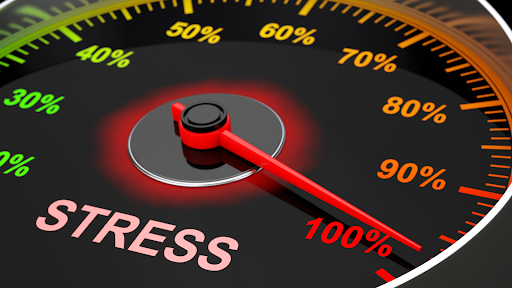
You wouldn’t ignore declining quarterly numbers, so stop ignoring your body’s stress indicators.
Health literacy means recognizing that your 3 PM energy crash, Sunday night insomnia, and persistent brain fog aren’t character flaws—they’re data points.
Learn to read your stress like a dashboard:
- Physical signs: tension headaches, digestive issues, frequent illness
- Emotional indicators: irritability, feeling overwhelmed, loss of enthusiasm
- Cognitive symptoms: difficulty concentrating, memory problems, indecisiveness
When you can identify stress patterns early, you can intervene strategically instead of waiting for a crisis. This isn’t about elimination—it’s about management.
2. Understand Nutrition as Fuel Strategy, Not Food Rules
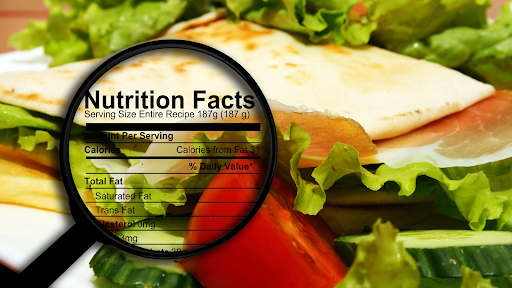
Stop thinking about food as good or bad. Start thinking about it as premium fuel versus low-grade options.
You wouldn’t put cheap gas in a luxury car, yet many executive women fuel their high-performance days with whatever’s convenient. Health literacy means understanding how different foods impact your energy, focus, and decision-making capacity.
Key nutrition literacy for executives:
- Protein stabilizes blood sugar and maintains focus during long meetings
- Complex carbohydrates provide sustained energy without crashes
- Healthy fats support hormone production and brain function
- Timing matters—eating regularly prevents the 4 PM cookie binge
This isn’t about perfection. It’s about making informed choices that support your performance when it matters most.
3. Master Sleep as Your Ultimate Performance Tool

You optimize everything else in your life, but you treat sleep like an inconvenience.
Health literacy means understanding that sleep isn’t rest—it’s when your brain processes information, consolidates memories, and literally cleans itself. Poor sleep doesn’t just make you tired; it impairs judgment, creativity, and emotional regulation.
Executive sleep literacy essentials:
- 7-9 hours isn’t a luxury—it’s a performance requirement
- Sleep debt can’t be “caught up” on weekends
- Blue light from devices disrupts sleep hormones for hours
- Your bedroom temperature, darkness, and noise levels directly impact sleep quality
When you understand sleep as a strategic advantage rather than time lost, you’ll protect it like you protect important meetings.
4. Approach Weight Management as Systems Thinking

Forget the diet mentality. Think like the systems thinker you are.
Health literacy means understanding that sustainable weight management isn’t about restriction—it’s about creating systems that naturally support a healthy weight while maintaining your energy and focus for leadership.
Systems approach to weight management:
- Focus on habits, not outcomes you can’t directly control
- Build food systems that make healthy choices easier than unhealthy ones
- Integrate movement into your existing schedule rather than adding a separate “exercise time”
- Address stress and sleep first—they regulate the hormones that control hunger and metabolism
The truth? Executive women who master these four areas of health literacy live longer, lead more effectively, and model sustainable success for their teams.
Here’s what most people miss about health literacy: it’s not just personal—it’s professional development.
When you understand how your body and mind work, you make better decisions under pressure. With the right fuel, you show up as the leader your team needs. When you model healthy boundaries around stress and sleep, you create a culture that fosters sustainable high performance.
This Health Literacy Month, don’t just learn about health. Learn about your health. Understand your patterns, your needs, and your optimal operating conditions.
Because the same analytical skills that make you an exceptional leader? They’re exactly what you need to become exceptionally health literate.
Your health isn’t separate from your success. It’s the foundation of everything else you do.
Join our weekly newsletter to unlock access to expert tips and systems to elevate your health and your life. Subscribe here and start learning practical strategies that last.